TABLE OF CONTENTS
Vitamin D3 benefits are numerous. In this post we will explore the top 10 benefits that will change your life forever! And, that is not an overstatement, it’s a fact. Probably one of the most important vitamins in the body, responsible for countless vital functions is Vitamin D3. This is attributed to two key factors: One – Vitamin D3 has receptors present throughout the body in a surprising number of organs. Two – Vitamin D3 is a key immunity builder because it affects various immune-related areas in the body. Without Vitamin D3, you will experience loss of vital functions and increased susceptibility to numerous health issues. So let’s dig in and find out why you should be getting your daily dose of D3 without fail. But first…
★ Vitamin D3 – Receptors In Body Organs & Tissues
Vitamin D3 receptors are abundant throughout the body’s organs and tissues. This emphasizes its vital role in physiological processes. Viitamin D receptors are notably present in key organs and tissues such as:
- Bones – Vitamin D3 plays a crucial role in calcium absorption and bone health, and its receptors are abundant in bones.
- Intestines – Vitamin D3 aids in the absorption of calcium and phosphorus in the intestines, and its receptors are found in intestinal cells.
- Kidneys – Vitamin D3 is involved in the regulation of calcium and phosphorus levels in the blood through its actions on the kidneys, where its receptors are present.
- Immune cells – Vitamin D3 has immuno-modulatory effects and influences the function of various immune cells. Its receptors are found in immune cells such as macrophages, dendritic cells and, T-cells.
- Muscles – Vitamin D3 is involved in muscle function and metabolism, and its receptors are present in muscle cells.
- Brain- Vitamin D3 receptors are also found in certain areas of the brain, where they may play a role in neuroprotection and cognitive function.
★ Vitamin D3 – Top 10 Critical Health Benefits
-1- Arthritis | Reduces Discomfort
Vitamin D does not heal arthritis, but it may reduce discomfort by lowering inflammation. Research shows rheumatoid arthritis patients often have a higher prevalence of vitamin D deficiency. This deficiency is linked to musculoskeletal pain, making vitamin D intake therapeutic for pain relief.
-2- Bones | Strengthening Powers
Vitamin D is famous for its role in building and strengthening bones. It regulates calcium and phosphorus levels in the blood. It stimulates intestinal absorption of these minerals, enabling proper bone mineralization. Vitamin D also supports renal reabsorption of calcium that would otherwise be excreted by the Kidneys. Ultimately, Vitamin D ensures calcium benefits bone growth and prevents brittleness.
-3- Asthma | Reduces Airway Inflammation
Asthma is characterized by increased airway inflammation and hyper-responsiveness. The connection between Vitamin D and lung health is therefore clear because Vitamin D has immunomodulatory effects. Most of the evidence regarding vitamin D and asthma is reported through observational studies. However, several research studies have reported positive associations between vitamin D and asthma.
-4- Autism | Key Brain Development Factor
Research shows that Vitamin D3 is important for brain development and plays a significant role in Autism. It is not surprising that autistic children have a higher incident of Vitamin D deficiency compared to healthy children. Higher concentration of Vitamin D3 may reduce the risk of autism.
-5- Cancer | Increases Survival Rate
While the jury is still out on whether vitamin D is a major factor in reducing cancer incidence. Evidence from trials suggests higher vitamin D level status may improve cancer survival rates. A lower death rate from cancer was observed in those who took Vitamin D with benefits increasing over time.
- Cancer Tumors – Studies found that consuming Vitamin D3 is beneficial in inhibiting development of tumors. It can also slow the growth of existing tumors mostly in the breast, ovary, colon, prostrate and brain.
- Cancer Cells – Experimental evidence also shows that Vitamin D promotes cellular differentiation. It also, decreases cancer cell growth, stimulates cell death (apoptosis), and reduces tumor blood vessel formation (angiogenesis).
- Colon Cancer – Researchers found a relationship between Colon Cancer deaths and geographic location. People living at higher latitudes have higher colon cancer death rates than those near the equator. This is because the sun’s UVB rays are weaker in those regions. As a result, people there tend to have lower blood levels of vitamin D. Other studies also show that higher serum levels of Vitamin D are associated with lower rates of certain cancers. This include pancreatic, prostrate and other cancers as well, with colorectal cancer indicators showing the strongest evidence.
-6- Depression | Vitamin D3 Enhances Mood
Anecdotal evidence shows that when the sun comes out most people say it brightens up their mood. During the long winter months most people feel down in the dumps. The science behind this is not fully understood. However research shows a significant link between depression and vitamin D deficiency. People with depression screened for vitamin D3 were found to be deficient. Interestingly studies show that Vitamin D receptors exist in the same areas of the brain associated with depression. So, it is quite clear that intake of Vitamin D3 plays a major role in brain function and mental health.
-7-Diabetes | Improves Insulin Sensitivity
- Adults – Vitamin D deficiency negatively affects the biochemical pathways that lead to the development of Type 2 diabetes (T2D). This includes impairment of beta cell function in the pancreas, insulin resistance as well as inflammation. Research trials in older non-diabetic patients showed lower blood sugar levels were linked to higher vitamin D levels. Additional evidence showed that intake of vitamin D improved the production of insulin. This supports the thinking related to Vitamin D when it comes to Type 2 Diabetes. Taking additional Vitamin D3 benefits those with low blood levels of Vitamin D and, not necessarily those with adequate blood levels. However, results from most studies are not conclusive and more research is needed in this area.
- Children – (T1D) Type 1 Diabetes – In children geography has a profound impact on disease incidence. Studies found a child living in northern latitudes is about 400 times more likely to develop T1D compared to a child living at the equator. A 30-year study followed more than 10,000 Finnish children from birth and found that children who regularly received vitamin D supplements during infancy had a 90% lower risk of developing type 1 diabetes compared to those who did not. However this did not take into account genetic differences.
-8- Eye Health | Vitamin D3 Reduced Blindness Risk
Macular Degeneration is the leading cause of vision loss and is unfortunately an incurable eye disease. Research shows that the chances of getting Macular Degeneration is highest among those with Vitamin D3 deficiency. Studies show women younger than 75years who have sufficient levels of Vitamin D have a reduced risk of blindness. They also have a reduced risk of developing age-related macular degeneration, cataracts and glaucoma. The reason why Vitamin D is able to protect vision is in part because Vitamin D improves cell communication. This strengthens the communication pathways in the eyes.
-9- Heart Health | Reduced Heart Attack Risk
The heart is a muscle and has receptors for Vitamin D. A study showed that men with the lowest level of Vitamin D; were twice as likely to have a heart attack; compared to those with high levels. Also people with the low levels of vitamin D; had a significantly increased risk of strokes and heart disease, compared with those with adequate levels.
-10- Immunity | Modulates Immune Response
While Vitamin D3 is best known for its role in maintaining bone health and calcium homeostasis. Vitamin D is critical for the proper functioning of your immune system. It is important to note that your immune system is the first line of defense against infection and disease. A constant battle with ill health might point to a Vitamin D deficiency. Vitamin D tempers the damaging inflammatory response of white blood cells, while boosting immune cells’ production of microbe-fighting proteins. Vitamin D therefore modulates the innate and adaptive immune response. This is why a deficiency in Vitamin D is often associated with increased autoimmunity.
-11- Muscles | Increases Muscle Strength
It stands to reason that if Vitamin D can strengthen bones. Then with increased intake the incidence of fractures in the elderly should decline. An analysis of older persons mostly women found that Vitamin D supplementation with or without calcium reduced hip and non-spine fractures. Although the association was stronger when Vitamin D was taken with Calcium. Strong bones alone without muscle strength is not enough to prevent falls and possible disability and even death. Interestingly Vitamin D3 benefits also included an increase in muscle strength. This was especially the case in older persons.
★ Top 4 Amazon Vitamin D3 Supplement Choices
| Image | Product | Rating | Price |
|
BEST VALUE
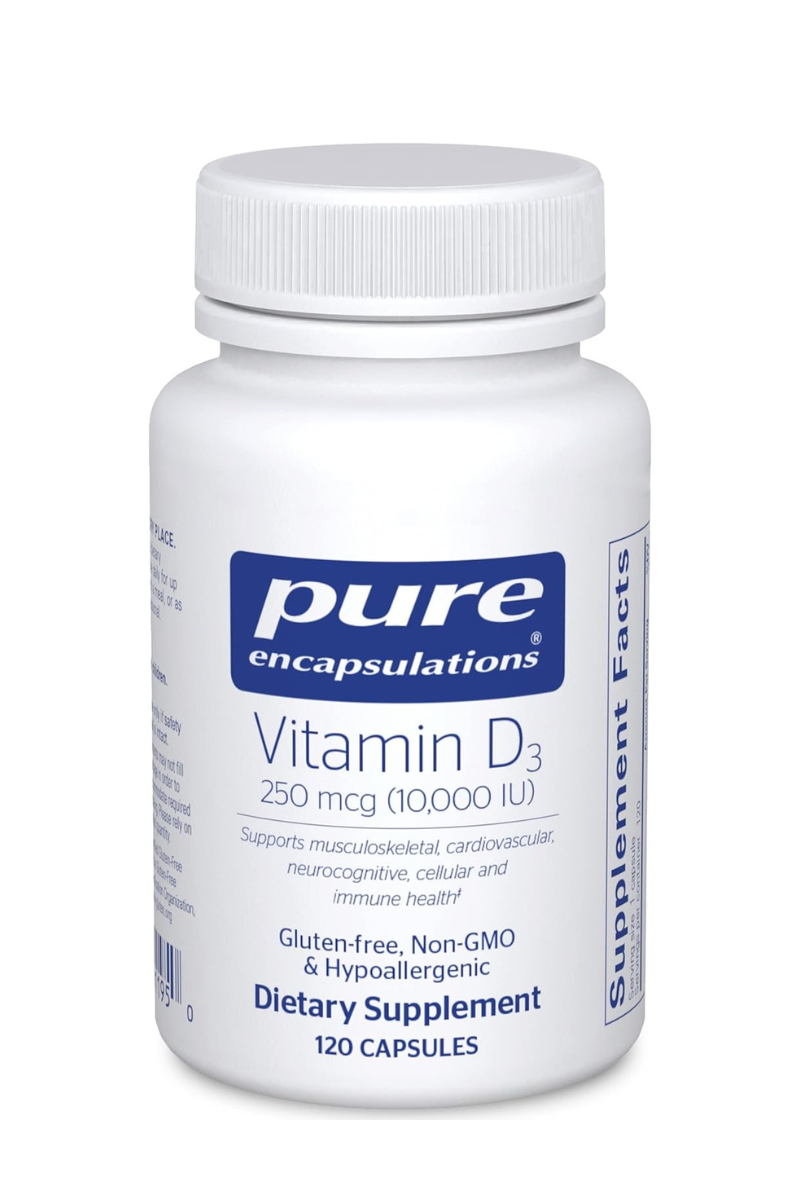 |
Pure Encapsulations |
4.8
|
|
|
MOST POPULAR
 |
NatureWise |
4.7
|
|
|
STARTER DOSE
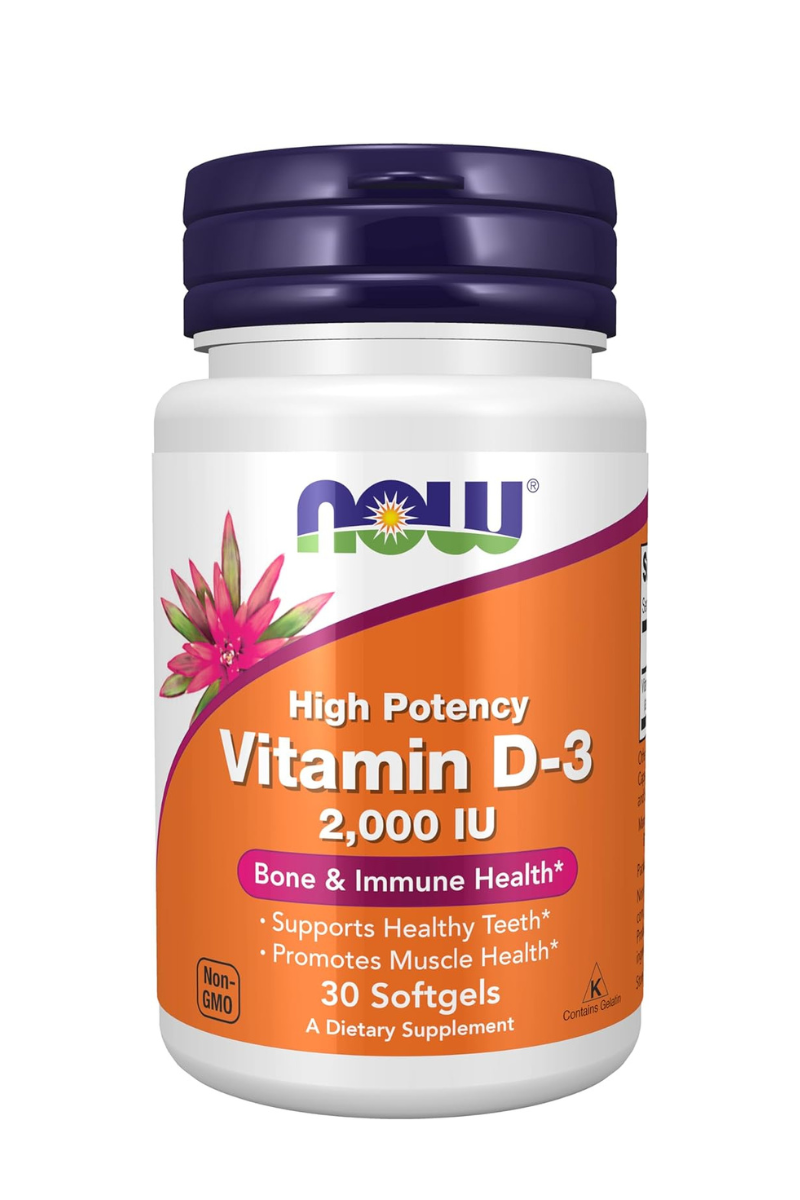 |
NOW Foods |
4.8
|
|
|
ADDED VALUE
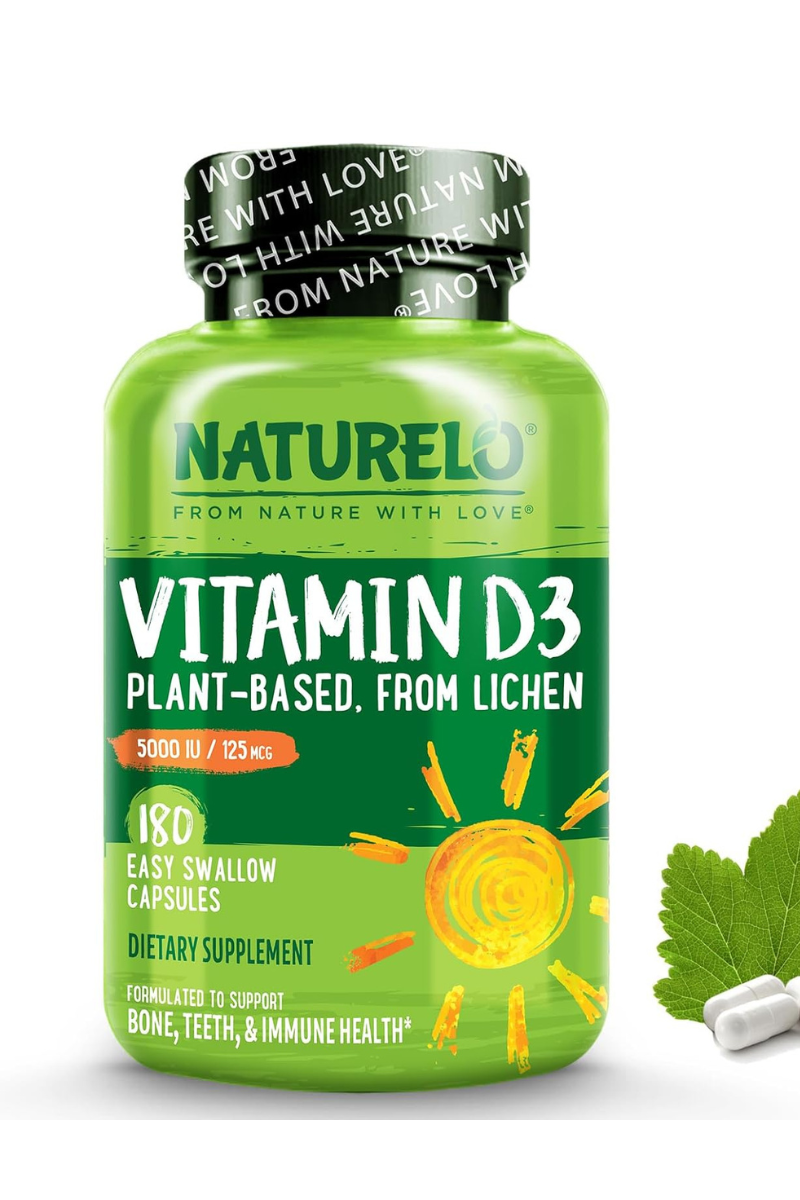 |
Naturelo |
4.7
|
*Note as an Amazon Associate we earn from qualifying purchases.