TABLE OF CONTENTS
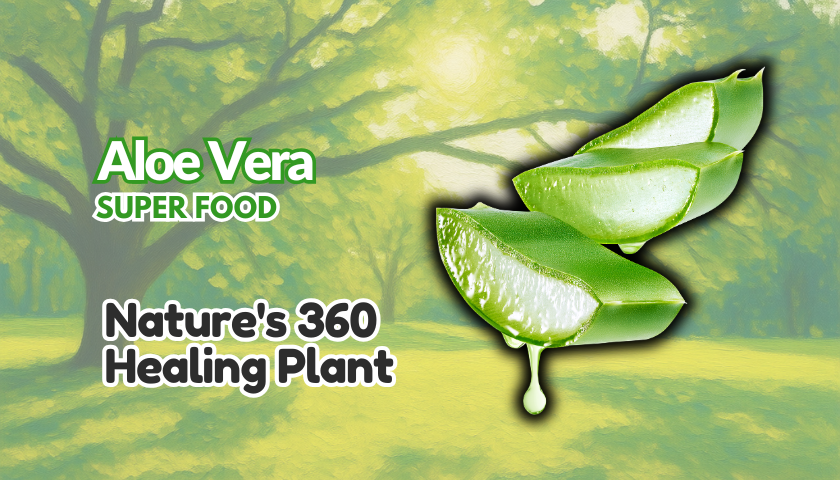
Meet Aloe Vera healing benefits – again and again – a succulent plant that stores water inside its thick, fleshy leaves. Cut open a leaf and you’ll find a clear gel packed with nutrients, antioxidants, enzymes, and plant compounds. The Aloe Vera plant has played a pivotal role in supporting human health for centuries. While most people know Aloe Vera as a remedy for sunburn, its benefits extend far beyond the skin. Today, Aloe Vera is used to support digestion, gut health, wound healing, hydration, and overall wellness.

Key Aloe Vera Healing Compounds & Actives
The healing beneficial power of Aloe Vera comes from a remarkable collection of natural compounds. Together, these compounds create a powerful environment for protection, hydration, repair, and renewal. Aloe Vera doesn’t rely on a single miracle ingredient. Its strength comes from the way these natural compounds work together to support the body’s healing processes.
Polysaccharides and Acemannan – Tissue Soothing and Repair
- Polysaccharides are long chains of natural sugars that help retain moisture and form a soothing protective layer over tissues. They help calm irritation and support the body’s natural healing process.
- Acemannan, Aloe Vera’s most studied polysaccharide, helps stimulate tissue repair, supports immune function, and may help the body respond more effectively to injury and infection.
Antioxidants – Protection Against Cellular Stress
- Antioxidants such as vitamins C and E, flavonoids, and polyphenols help neutralize harmful free radicals that can damage cells and accelerate aging.
Enzymes – Supporting Digestive Breakdown and Absorption
- Enzymes including amylase, lipase, and cellulase help break down carbohydrates, fats, and plant fibers, supporting digestion and nutrient utilization.
Vitamins, Minerals, and Amino Acids – Cellular Nourishment
- Amino acids, including several essential amino acids that the body cannot produce on its own, provide the raw materials needed to build and repair tissues throughout the body.
- Vitamins such as vitamins A, C, E, and several B vitamins help support immune health, skin integrity, energy production, and cellular repair.
- Minerals including calcium, magnesium, zinc, potassium, selenium, and chromium help regulate hundreds of biological processes involved in healing, metabolism, and overall health.
Plant Sterols – Natural Anti-Inflammatory Support
- Plant sterols such as lupeol, campesterol, and β-sitosterol help support the body’s natural inflammatory response and contribute to Aloe Vera’s soothing properties.
Top 3 Aloe Vera Healing Benefits for 360 Health
Supports Digestive Health
Aloe Vera is best known for its soothing effect on the digestive tract. Its polysaccharides, especially acemannan, form a soothing protective layer over irritated digestive tissues. This helps calm discomfort and supports the repair of the gut lining. At the same time, digestive enzymes such as amylase, lipase, and cellulase help break down carbohydrates, fats, and plant fibers more efficiently. Better digestion means nutrients can be absorbed more effectively.
Aloe Vera’s naturally high water content also helps keep waste moving through the digestive system. This may promote regular bowel movements and help relieve occasional constipation. Together, these actions may help support digestive comfort, reduce irritation associated with occasional reflux and heartburn, and provide relief for some individuals struggling with digestive sensitivity or IBS.
Supports Skin Health
Aloe Vera has been used for centuries to soothe damaged and irritated skin. When applied topically, its gel creates a cooling, moisture-rich protective layer over the skin. This helps reduce dryness while shielding vulnerable tissues from further irritation. Acemannan and other polysaccharides help support tissue repair by maintaining hydration and creating an environment that encourages healthy cellular recovery.
Meanwhile, antioxidants such as vitamins C and E help protect skin cells from oxidative stress caused by sun exposure, pollution, and everyday environmental damage. Plant sterols, including lupeol and β-sitosterol, help support the body’s natural inflammatory response, contributing to Aloe Vera’s well-known soothing effect. Together, these compounds help calm burns, support wound healing, improve moisture retention, and promote healthier-looking skin.
Supports Natural Detoxification
The body relies on the liver, digestive system, kidneys, and bowels to process and eliminate waste. Aloe Vera supports these natural processes in several ways. Its antioxidants, including vitamins C and E, flavonoids, and polyphenols, help protect cells from oxidative stress generated during normal metabolic activity and toxin processing. Its digestive enzymes help support efficient digestion, reducing the burden of poorly digested food moving through the gastrointestinal tract.
Aloe Vera’s high water content and digestive support may also help promote regular elimination, allowing waste products to leave the body more efficiently. Minerals such as magnesium, potassium, selenium, and zinc further support many of the enzyme systems involved in normal detoxification and cellular repair. While Aloe Vera does not directly detoxify the body, it helps support several of the organs and biological processes responsible for the body’s own natural cleansing mechanisms.
Don’t Confuse Aloe Vera with Aloe Latex
Not all Aloe products are the same. The clear inner gel is generally used for digestive and skin support. The yellow substance found just beneath the leaf skin is called Aloe latex. Aloe latex contains compounds known as anthraquinones. These compounds have a strong laxative effect. In large amounts or with long-term use, Aloe latex may cause cramping, diarrhea, electrolyte imbalances, and digestive discomfort. For most wellness purposes, the inner gel is the preferred option.
Aloe Vera Consumption Formats to Maximize Benefits
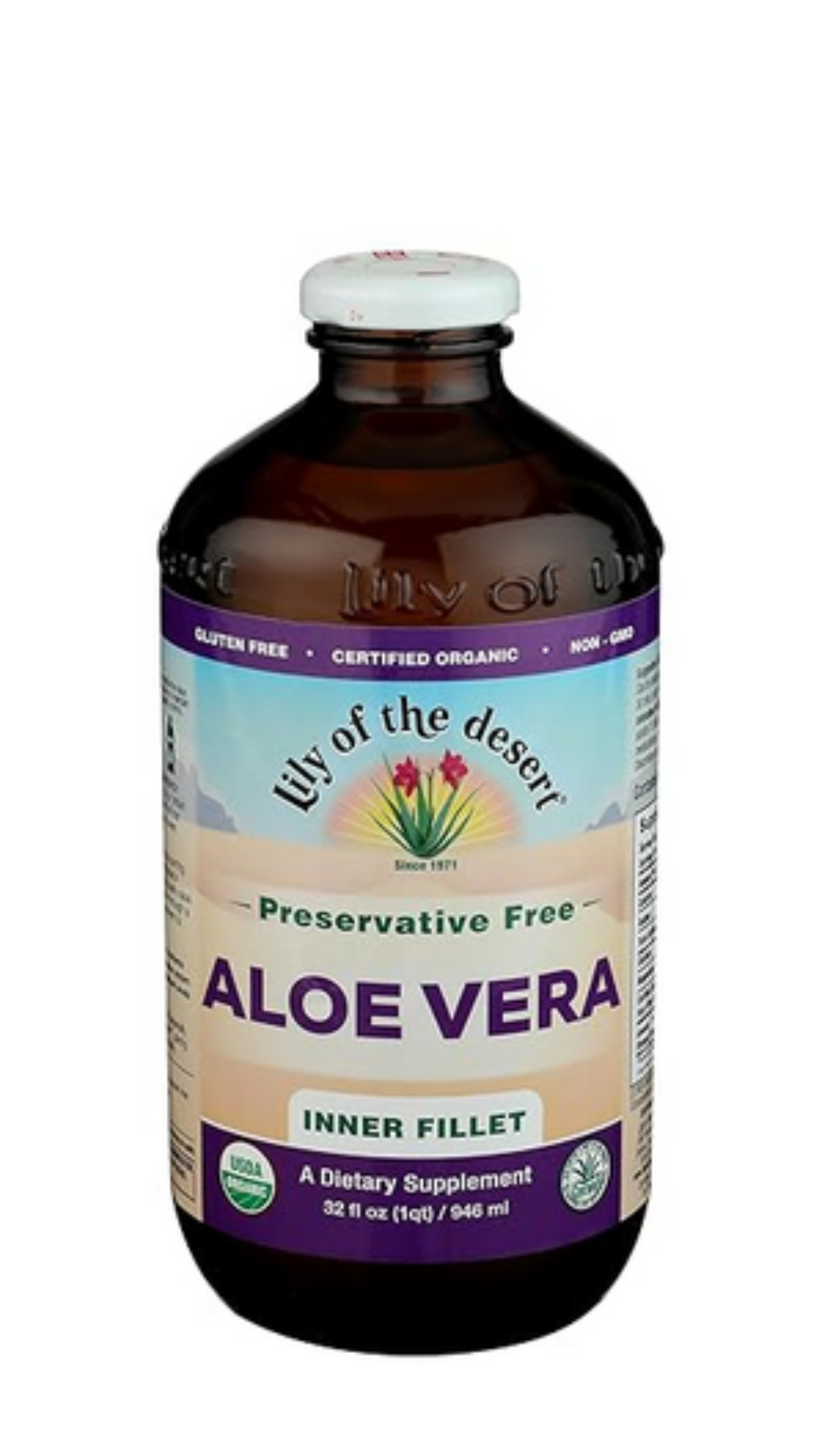
Aloe Vera Juice
Juice is a popular way to consume Aloe Vera. In liquid form, the plant’s beneficial compounds dissolve and spread easily throughout the liquid for better absorption. In juice form the key polysaccharides, acemannan, comes into direct contact with the digestive tract the moment it is consumed.
Aloe Vera juice is preferred for digestive support and gut hydration while simultaneously soothing irritated tissues along the gastrointestinal tract. When choosing a product, look for juice made from purified inner leaf gel to minimize unwanted Aloe latex compounds.
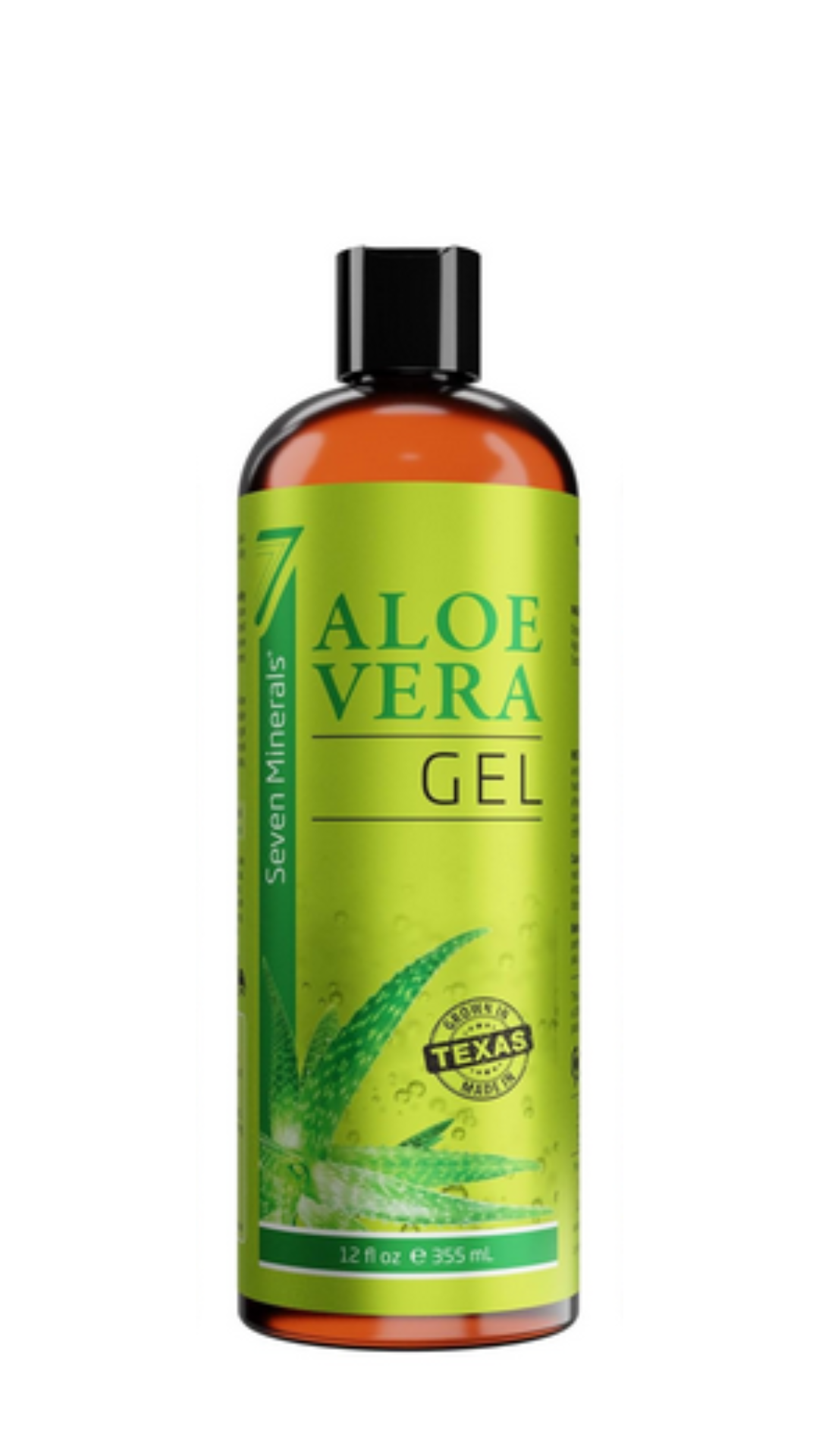
Aloe Vera Gel
Aloe Vera gel is best known for topical use. Its thick, water-rich texture forms a cooling protective layer over the skin, helping to lock in moisture while soothing irritation. The gel’s polysaccharides help maintain hydration, while antioxidants and plant sterols support the skin’s natural repair processes.
Many skincare products include Aloe Vera gel because it provides hydrating moisture without leaving a heavy or greasy feeling. The gel is commonly used for burns, sunburns, dry skin, cuts, scrapes, insect bites, and other minor skin irritations.
Aloe Vera Capsules
Aloe Vera capsules offer a convenient alternative. They are portable and palatable for those who dislike the taste of Aloe juice. The capsules typically contain dried Aloe Vera powder or concentrated Aloe extracts. This provides many of the same beneficial compounds found in Aloe juice but in a smaller, easier-to-take serving.
Capsules also eliminate the need to measure liquids and often have a longer shelf life than Aloe juice once opened. They are commonly used as part of digestive, immune-support, and general wellness protocols.
Aloe Vera Extracts
Aloe Vera extracts are more concentrated than standard juice. This is because most of the water is removed during processing. This concentrates key compounds such as acemannan, polysaccharides, antioxidants, and plant sterols into a smaller volume. A smaller dose of Aloe Vera extract therefore, delivers higher levels of active compounds than a larger serving of juice.
Because of their potency, Aloe extracts are frequently included in digestive health supplements. They are formulated for digestive health, immune support, antioxidant protection, and other targeted therapeutic applications.
Aloe Vera a Medicinal Plant used for over 1000 Years
Aloe Vera has a long and fascinating history and earned its reputation thousands of years ago. It originated from the Arabian Peninsula before spreading across Africa, Asia, Europe, and eventually the rest of the world. Ancient Egyptians called it the “Plant of Immortality.” Greek physicians used it to treat wounds. Traditional healers relied on it for digestive complaints, skin conditions, and infections. Over thousands of years, Aloe Vera earned a reputation as one of nature’s most beneficial trusted healing plants. It soothes, It hydrates, It protects. It supports healing both inside and outside the body.
“Aloe vera supplementation has been shown to improve symptoms in patients with gastroesophageal reflux disease (GERD), suggesting a soothing effect on the gastrointestinal lining.”
PubMed – Aloe vera for GERD symptom relief
Top 4 Aloe Vera Supplement Product Choices
| Image | Product | Rating | Price |
|
BEST JUICE
 |
Lily Of The Desert
|
4.4
|
|
|
BEST ORGANIC GEL
 |
Seven Minerals
|
4.5
|
|
|
BEST CAPSULES
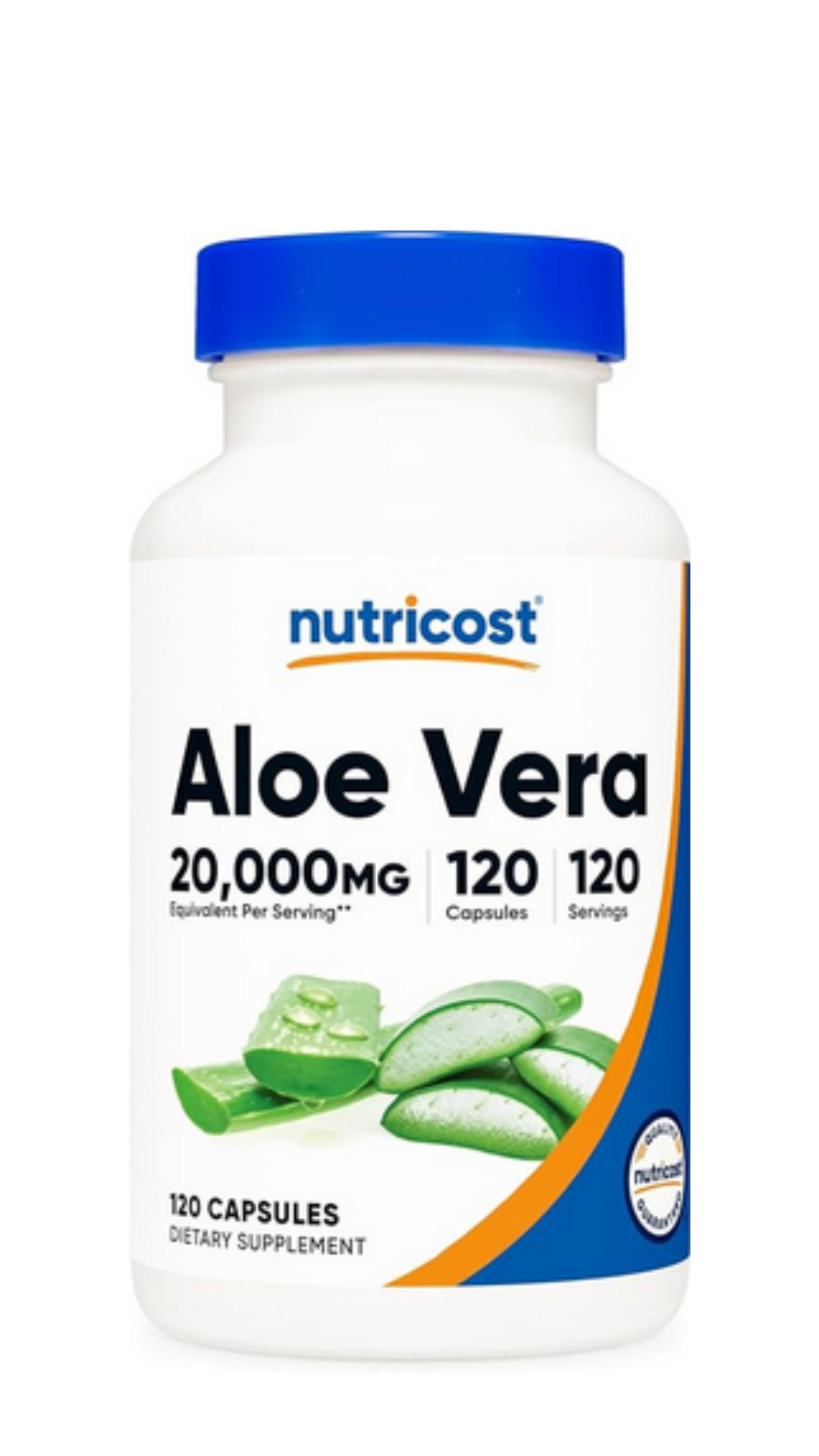 |
Nutricost Aloe
|
4.5
|
|
|
BEST COLD PRESSED
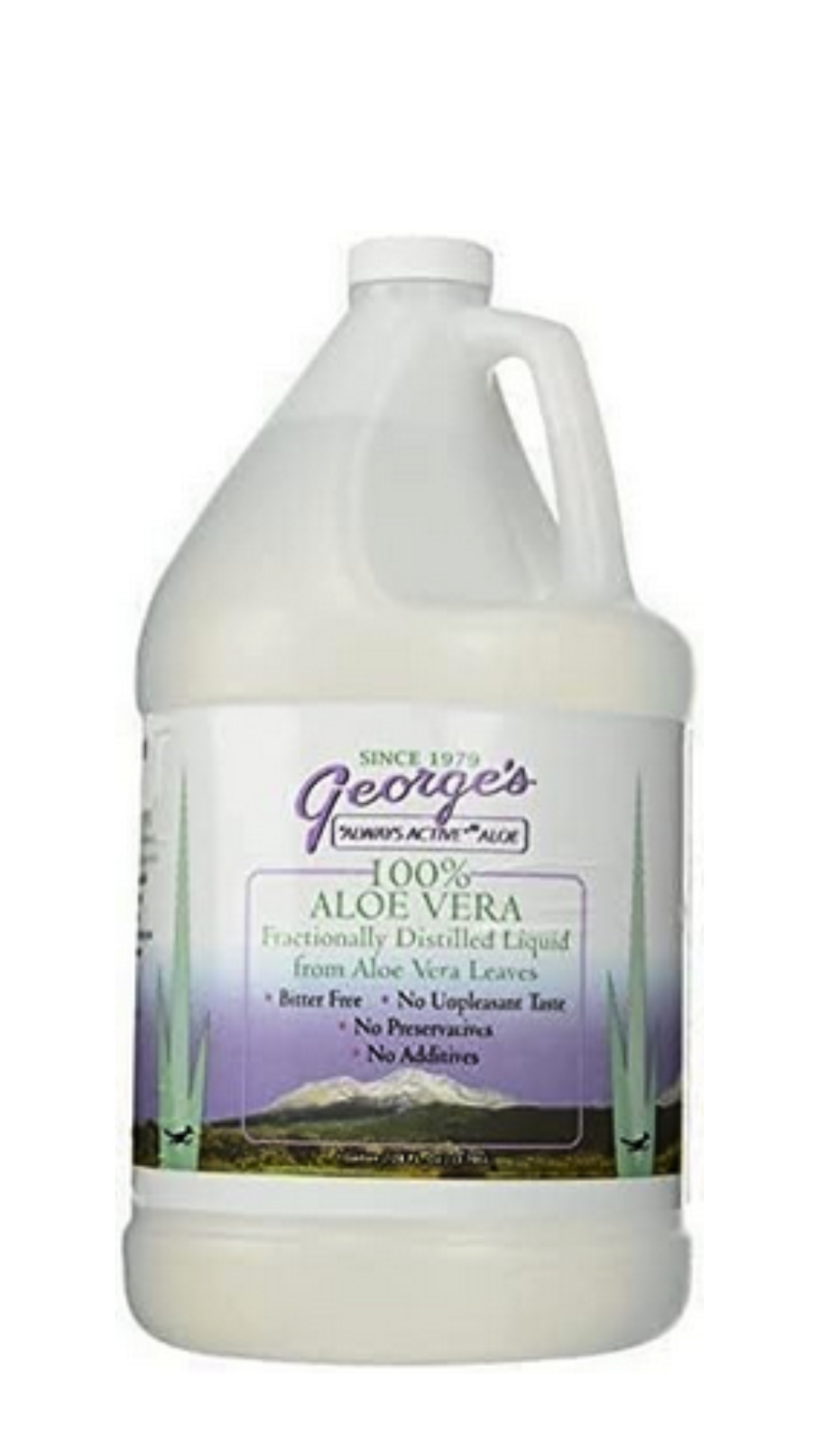 |
George’s Always
|
4.6
|