TABLE OF CONTENTS
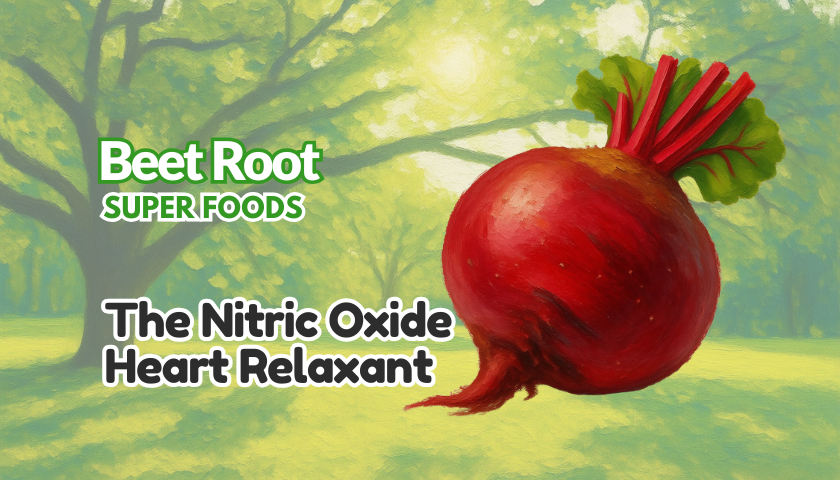
Beetroot Nitric Oxide supports the body’s natural production of nitric oxide, which helps relax and widen the arteries that supply the heart. Beets are a potent source of dietary nitrates, which oral bacteria convert into nitrites and the body subsequently transforms into nitric oxide. This process triggers vasodilation that is the widening of blood vessels. That in turn lowers vascular resistance and dramatically enhances the circulation of warm, oxygen-rich blood to your core and extremities. Take a minute to watch the video below and understand why beets are the root to a relaxed heart.

Beetroot & The Nitric Oxide Pathway
When you consume beetroot or beetroot juice, a highly effective chain reaction occurs within your system –
- Dietary Intake – You ingest inorganic nitrates found abundantly in beets. Each medium beet can contain roughly 250–400 mg of natural nitrates, depending on the soil and growing conditions.
- Bacterial Conversion – Oral symbiotic bacteria reduce these nitrates into nitrites on the surface of your tongue. Special bacteria living in the mouth use enzymes to chemically change nitrates into nitrites during saliva circulation.
- Nitric Oxide Synthesis – The body converts swallowed nitrites into nitric oxide (NO). This conversion works best in low-oxygen, mildly acidic areas such as active tissues. It is a highly reactive, naturally occurring molecule and a vital signaling agent in the human body, where it helps relax blood vessels and regulate blood flow. Nitric oxide then signals blood vessels to relax and widen, improving blood flow and circulation.
Health & Circulation Benefits of Nitric Oxide
This enterosalivary conversion drives a variety of systemic health improvements backed by clinical research –
- Warmed Extremities – Vasodilation eases blood flow to the hands and feet, which can significantly reduce the feeling of coldness in the extremities. (Vasodilation means the blood vessels widen, allowing warmer blood to circulate more easily into the fingers and toes.)
- Lower Blood Pressure – By relaxing and widening arteries, nitric oxide helps reduce systolic and diastolic blood pressure. (Wider arteries reduce resistance to blood flow, so the heart does not need to pump as forcefully.)
- Exercise & Stamina – Enhanced blood flow delivers more oxygen to muscle tissue, lowering the perceived exertion and improving endurance during physical activity. (Better circulation helps muscles work more efficiently, so physical activity feels easier and less tiring.)
The Beetroot Nervous System Connection
Beetroot may support a calmer nervous system through improved circulation and cellular function. This comes from the combined action of nitric oxide and betalains (natural plant pigments with antioxidant and anti-inflammatory properties that help protect cells from oxidative stress and inflammation) –
- Improved brain blood flow – Nitric oxide helps widen blood vessels, increasing oxygen delivery to the brain. This supports clearer thinking by improving oxygen and glucose supply to neurons, enhancing focus, mental clarity, and calmness.
- Stress response balance – Better circulation may help reduce stress effects like tension and mental fatigue. Chronic stress activates the “fight-or-flight” system, which constricts blood vessels. Improved blood flow helps shift the body toward a more relaxed state.
- Antioxidant protection – Beetroot contains betalains that reduce oxidative stress linked to nervous system overload. They neutralize free radicals, helping protect nerve cells and support healthy brain function.
But Don’t Confuse Beetroot Nitrates with Processed Meat Nitrites
The natural nitrates found in vegetables like beetroot, spinach, and arugula help the body produce beneficial nitric oxide. These plant foods also contain antioxidants and vitamin C, which help support this healthy conversion process.
Processed meats such as bacon, sausages, deli meats, and hot dogs are different. Sodium nitrite, a food processing preservative is used to cure processed meats. Manufacturers add it to improve color, prevent bacterial growth, and extend shelf life.
Beetroot Beta vulgaris is a root vegetable. It was first cultivated in the Mediterranean region and ancient Babylonian times. It was originally grown for its leafy greens, not its root. Today, it is used globally. Consumption is moderate but steadily growing. Worldwide production is estimated at around 25–30 million tonnes annually. Consumption is strongest in Eastern Europe, especially Poland, Russia, and Ukraine. It is also popular in Western Europe and parts of North America. Demand is rising globally in health-focused juice markets. This growth is driven by “functional food” trends linked to sports nutrition, blood pressure support, and nitric oxide research.
Research shows beetroot juice may lower systolic blood pressure by around 3 to 5 mmHg by helping blood vessels relax through nitric oxide production.
PubMed https://pubmed.ncbi.nlm.nih.gov/29141968
Top 4 Beetroot Supplement Choices
| Image | Product | Rating | Price |
|
BEST OVERALL POWDER
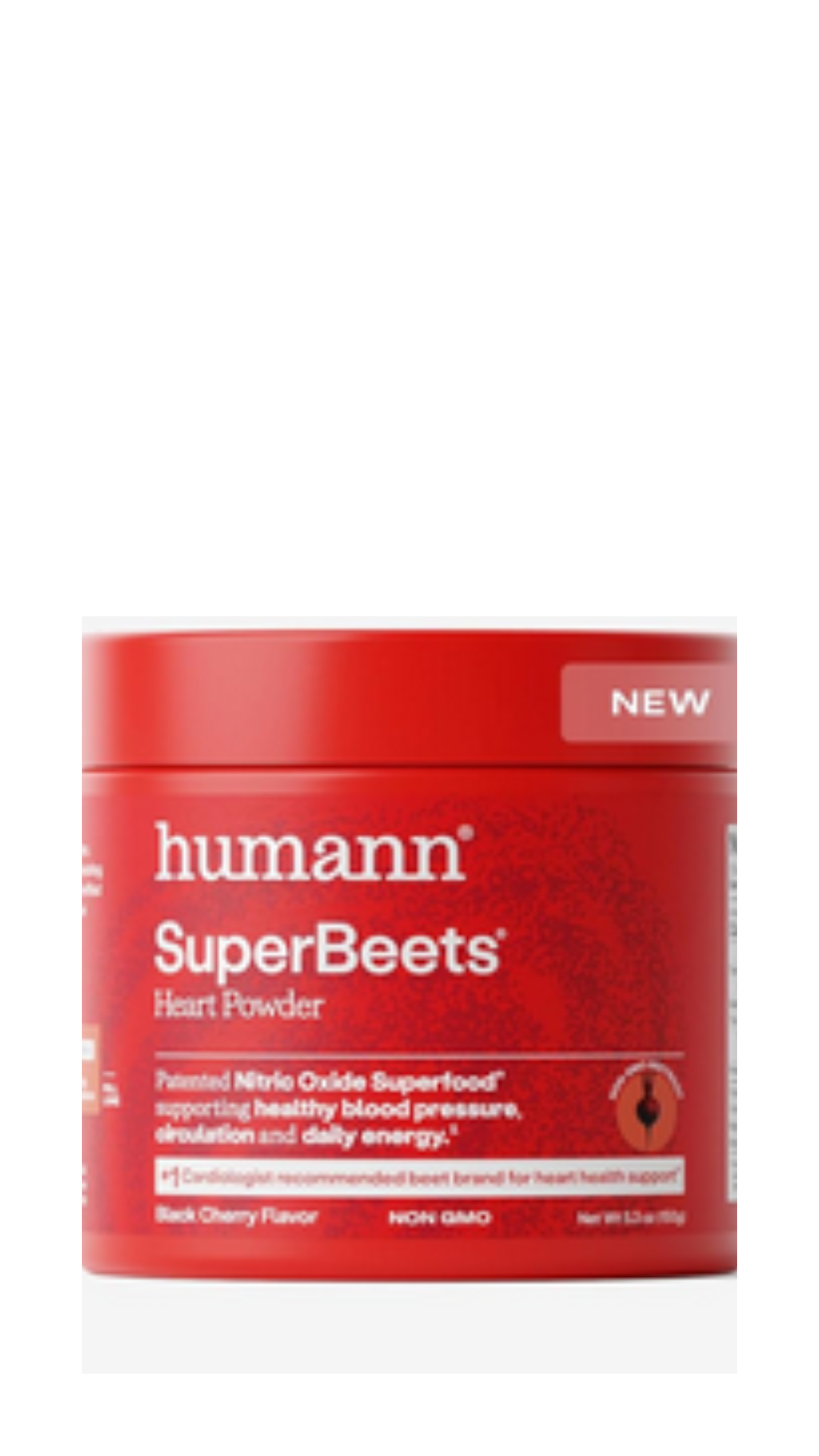 |
Humann SuperBeets |
4.2
|
|
|
BEST BULK VALUE
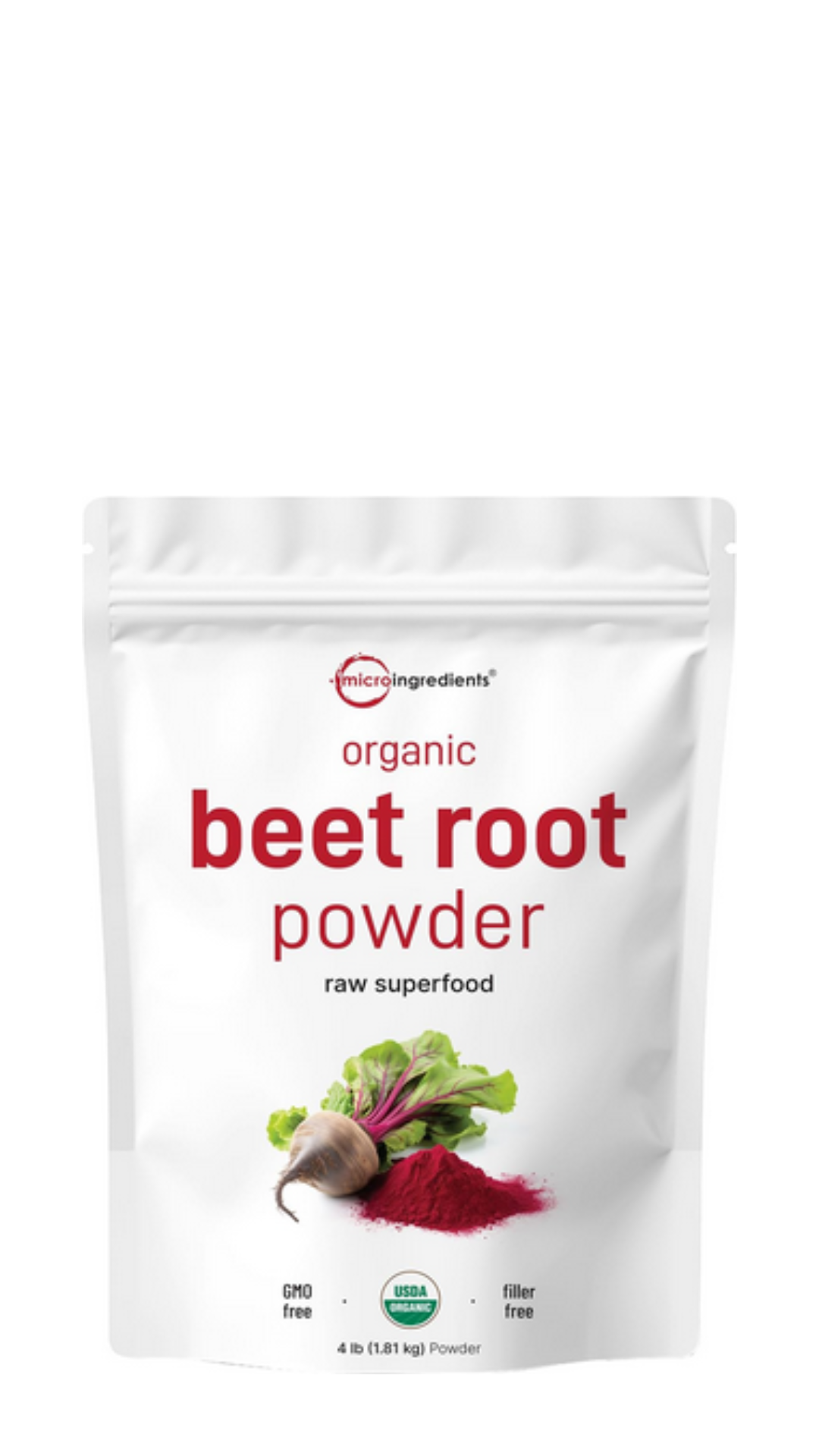 |
MicroIngredients Organic |
4.6
|
|
|
BEST CAPSULES
 |
Rosabella Organic Capsules |
4.4
|
|
|
BEST FOR ATHLETES
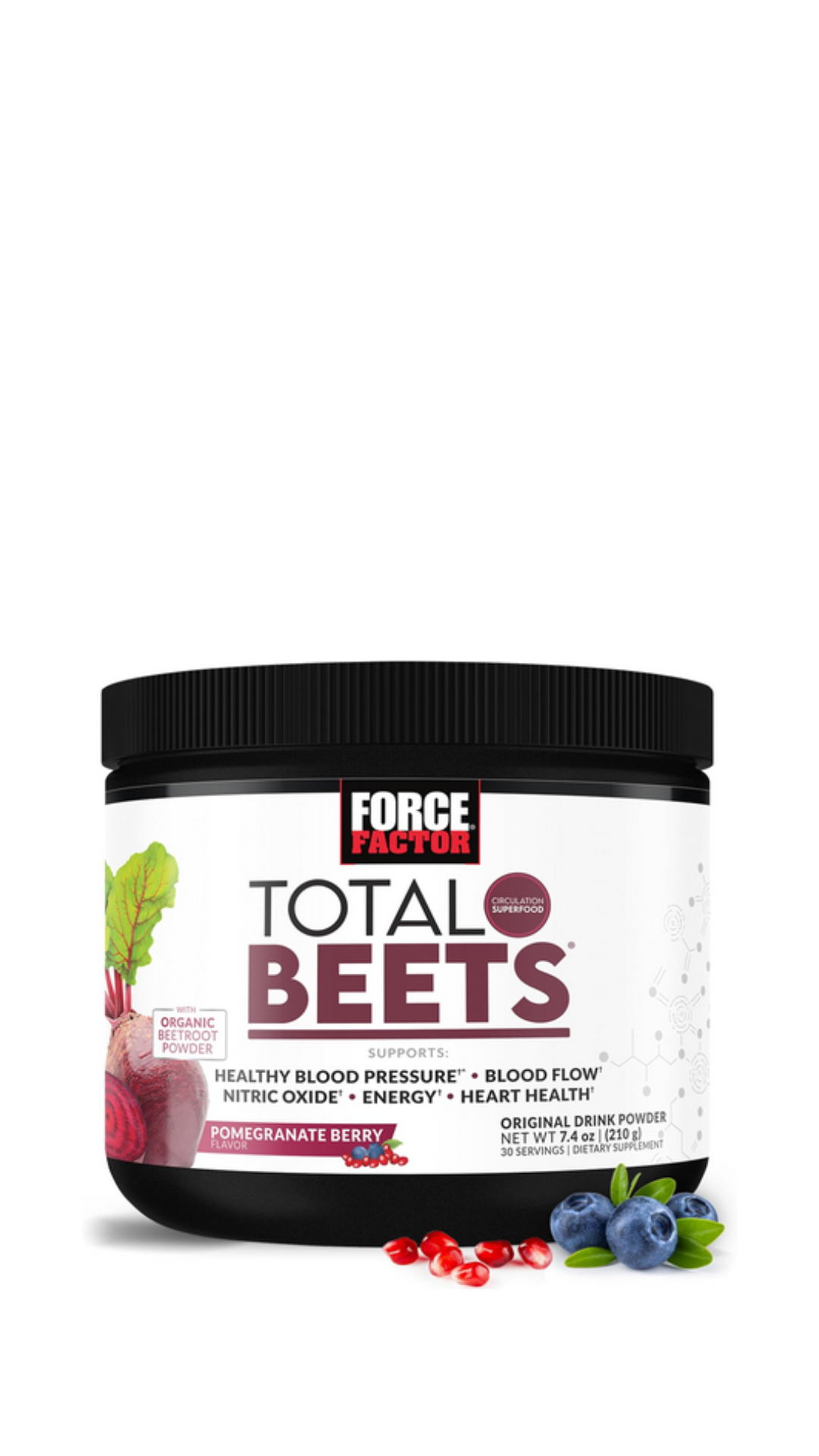 |
Force Factor
|
4.4
|