

TABLE OF CONTENTS
Genistein is the primary isoflavone aglycone found in soybeans and soy-based products. It is widely recognized as the most biologically active component of soy isoflavones. A polyphenolic compound its best known for its role as a phytoestrogen, antioxidant, and potential chemopreventive agent.

Genistein vs Genistin – Key Characteristics and Sources
Genistein is the main active compound in soy. It occurs in high amounts in soybeans about 35.86 mg per 100 g in cooked soybeans, and is also present in fermented soy products like miso and tempeh. In its natural state within soy, genistein exists as a compound called genistin (a glucoside form). During digestion or fermentation, genistin is broken down into genistein, the active form that the body can readily use. While soybeans are the richest source smaller amounts of genistein are found in other legumes, including chickpeas (garbanzo beans) and fava beans.
Hormone Benefits – Menopause Support & Prostate Health
Genistein is widely studied for its ability to influence multiple biological pathways, sometimes in opposing ways. Its effects are dose-dependent: at normal dietary levels, it is generally protective, while very high concentrations may produce less desirable effects. Although much of the research focuses on women’s health due to its estrogen-like activity, genistein also offers important benefits for men, particularly in prostate health and cellular protection.
-1- Women Menopause Support
Genistein is commonly used to support menopausal symptoms by acting as a mild, plant-based estrogen, it helps restore hormonal balance.
• Reduces hot flashes and night sweats:- This is supported by clinical studies of soy isoflavones. Likely through estrogen receptor modulation and thermoregulation effects. Genistein helps stabilize the brain’s temperature control system, making it less reactive to small changes and reducing those sudden heat-trigger responses.
• Eases hormonal fluctuations associated with weak phytoestrogen activity:- Genistein modulates estrogen receptor signaling pathways, helping to balance how cells respond to estrogen. Different tissues such as the brain, bone, uterus, and blood vessels have estrogen receptors. When estrogen binds to these receptors, it triggers specific cellular instructions that regulate processes like metabolism, growth, and mood signaling. In this context, balancing estrogen-related cellular responses means genistein may help cells react in a more stable and less extreme way to estrogen signals, especially during periods of hormonal change such as menopause.
• Supports overall comfort during menopause:- linked to a combination of hormonal and neuroendocrine effects as observed in soy isoflavone research. It involves modulation of hypothalamic signaling pathways that help regulate stress, temperature, and hormonal balance.
-2- Men Prostate Health Support
Genistein supports prostate health through its effects on hormone regulation and cell activity.
• Genistein regulates hormone-related prostate changes. It is associated with modulation of androgen and estrogen receptor signaling involved in prostate tissue regulation. Meaning it balances how male and female hormones influence prostate cell activity and growth.
• Genistein supports normal cell growth and function. It is linked to regulation of cell signaling pathways that control proliferation, differentiation, and cellular repair processes. This means it helps cells know when to grow, mature into specific roles, and repair themselves when damaged.
• Genistein reduces risk factors linked to prostate disorders through anti-inflammatory and hormone-modulating effects observed in prostate cell and population studies. It helps to lower chronic inflammation and support healthier hormone activity, both of which are linked to positive prostate health outcomes.
Genistein How It Works – Mechanisms of Action
Genistein works through several important biological mechanisms, that explain how it influences hormones, cells, and overall health.
-1- Phytoestrogen Binds To Estrogen Receptors
First, genistein acts as a phytoestrogen. Its structure is very similar to 17β-estradiol, a natural human estrogen. Because of this, it can bind to estrogen receptors in the body—especially estrogen receptor beta (ER-β), which it prefers over ER-α. This selective binding allows genistein to gently mimic or balance estrogen activity, depending on what the body needs.
-2- Tyrosine Kinase Inhibitor
Second, genistein functions as a tyrosine kinase inhibitor. Tyrosine kinases are enzymes that help regulate cell growth and division. By inhibiting these enzymes, genistein can slow down or block signals that promote uncontrolled cell proliferation, which is particularly relevant in cancer development.
-3- Blocks Angiogenesis
Genistein helps block angiogenesis, the process by which tumors form new blood vessels to supply themselves with nutrients. By limiting this blood vessel growth, it can restrict tumor expansion and spread.
-4- Induces Apoptosis (Programmed Cell Death)
Genistein promotes apoptosis, which is the body’s natural way of removing damaged or abnormal cells. By encouraging this process, it helps eliminate potentially harmful cells before they can develop into more serious conditions.
-5- Upregulates Antioxidant Defenses
Another key action is its ability to upregulate antioxidant genes. This means genistein supports the body’s internal antioxidant systems, helping to reduce oxidative stress and protect cells from free radical damage.
-6- Supports Heart Health (Lowers LDL Cholesterol)
Genistein contributes to cardiovascular health by helping to lower low-density lipoprotein (LDL) cholesterol, often referred to as “bad” cholesterol. This supports healthier blood vessels and reduces the risk of heart disease.
-7- Prevents Bone Loss
Genistein plays a role in maintaining bone health. Through its estrogen-like effects, it helps reduce bone loss and supports bone density, offering protective benefits against osteoporosis. It does this by stimulating bone-forming cells (osteoblasts) and inhibiting bone-resorbing cells (osteoclasts), helping maintain a healthy balance in bone remodeling.
-8- Regulates Cell Signaling and Inflammation
Beyond these targeted actions, genistein also influences broader cell signaling pathways. It can regulate gene expression, reduce inflammation, and modulate immune responses, contributing to its wide-ranging effects on overall health.
Key Considerations of Genistein Consumption in Soy
-1- Effects Are Dose-Dependent
At normal dietary levels, genistein may help protect against cancer. However, very high, non-dietary doses used in some studies have shown the potential for opposite (pro-carcinogenic) effects.
-2- Bioavailability Matters
Genistein has relatively low bioavailability on its own. However, with regular consumption of soy-rich foods, its metabolites can build up to physiologically active levels in the bloodstream.
-3- Fermentation Improves Absorption
Fermented soy foods such as tempeh, miso, and natto contain higher amounts of genistein in its active (aglycone) form. This form is easier for the body to absorb and use.
Scientific Research References – Genistein Biological Effects
Supports evidence that genistein is associated with reduced postmenopausal symptoms (including hot flashes), cardiovascular protection, and bone health benefits. Also describes its role as a weak estrogen receptor modulator influencing hormone-related signaling pathways and broader endocrine balance.
National Institutes of Health (PMC) – PMC6864469
Provides mechanistic evidence that genistein acts as a phytoestrogen with selective estrogen receptor modulation (ER-β preference), influencing cell signaling pathways, apoptosis, and angiogenesis. Includes experimental evidence relevant to both breast and prostate cancer cell models, where genistein affects hormone-sensitive tumor growth pathways.
National Institutes of Health (PMC) – PMC8315847
Reports clinical and experimental findings showing improvement in menopausal vasomotor symptoms (such as hot flashes), hormone modulation effects, and variability in response depending on metabolism and gut microbiota. Also discusses broader endocrine and cancer-related pathway interactions, including androgen-sensitive tissues such as prostate models in experimental contexts.
National Institutes of Health (PMC) – PMC9259214
Top 4 Genistein Supplement Recommendations
| Image | Product | Rating | Price |
|
SOY FREE
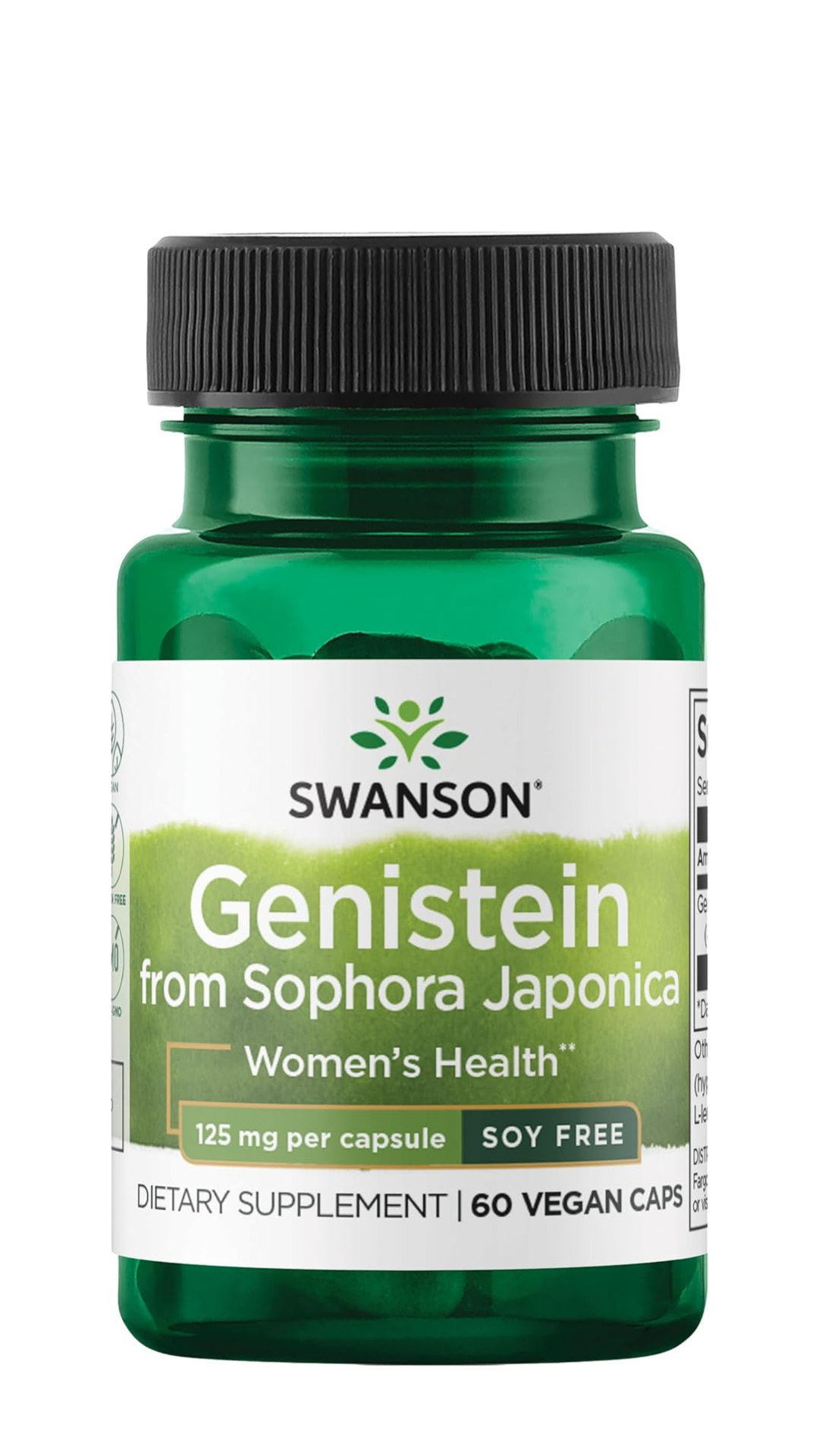 |
Swanson
|
4.6
|
|
|
EXCLUSIVE
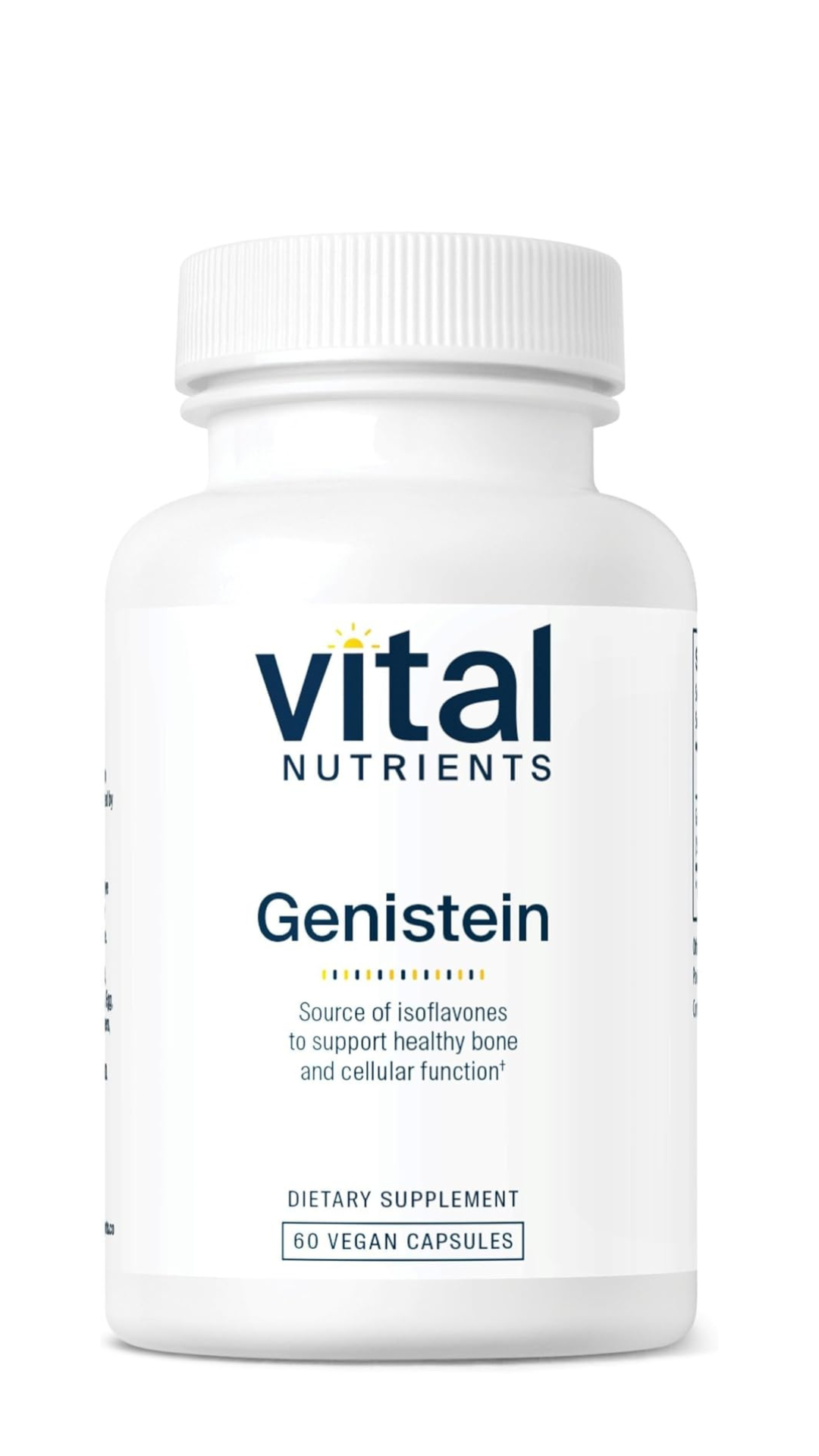 |
Vital Nutrients
|
4.6
|
|
|
AMAZON’S CHOICE
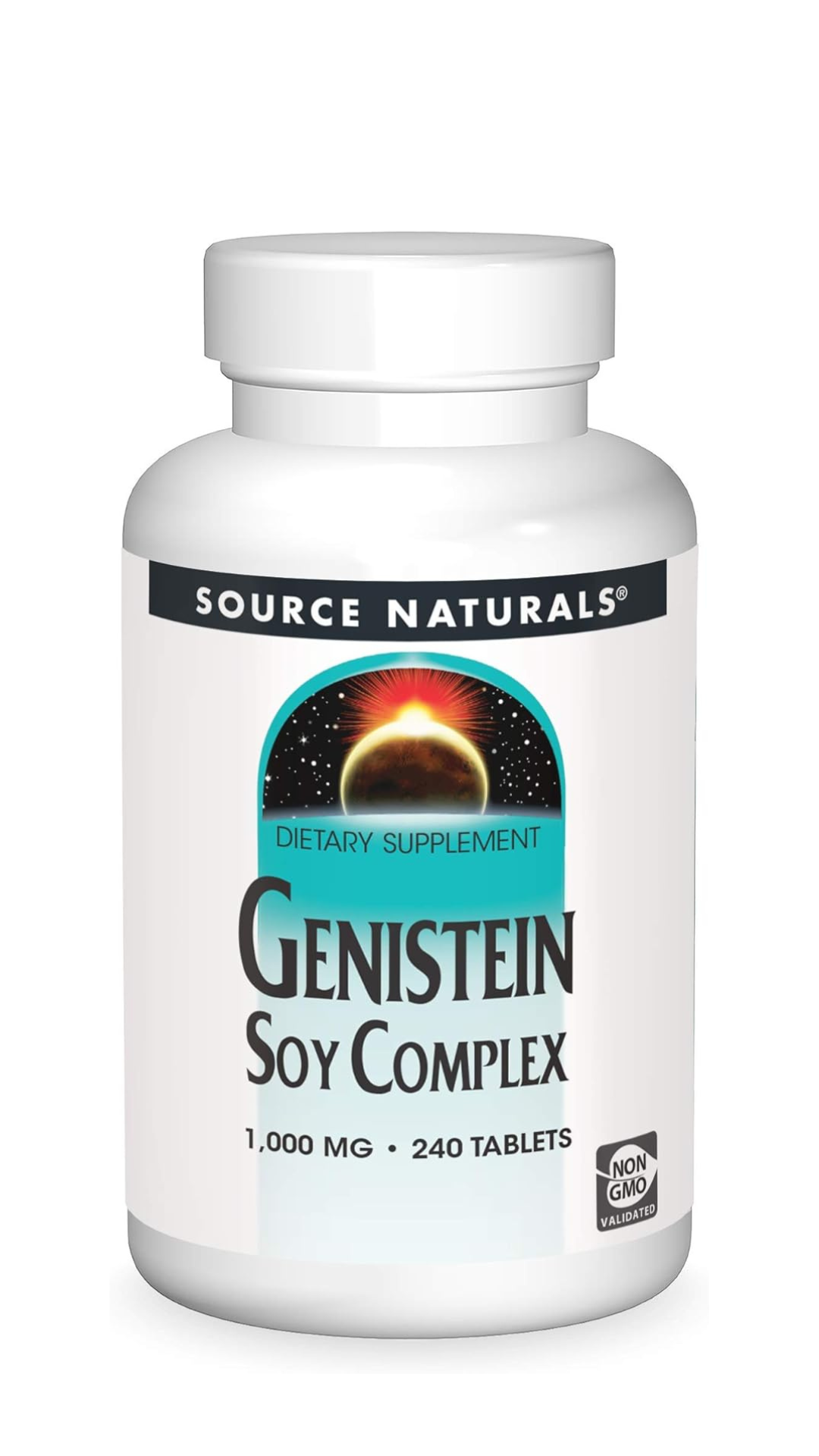 |
Source Naturals
|
4.0
|
|
|
WOMAN COMPLEX
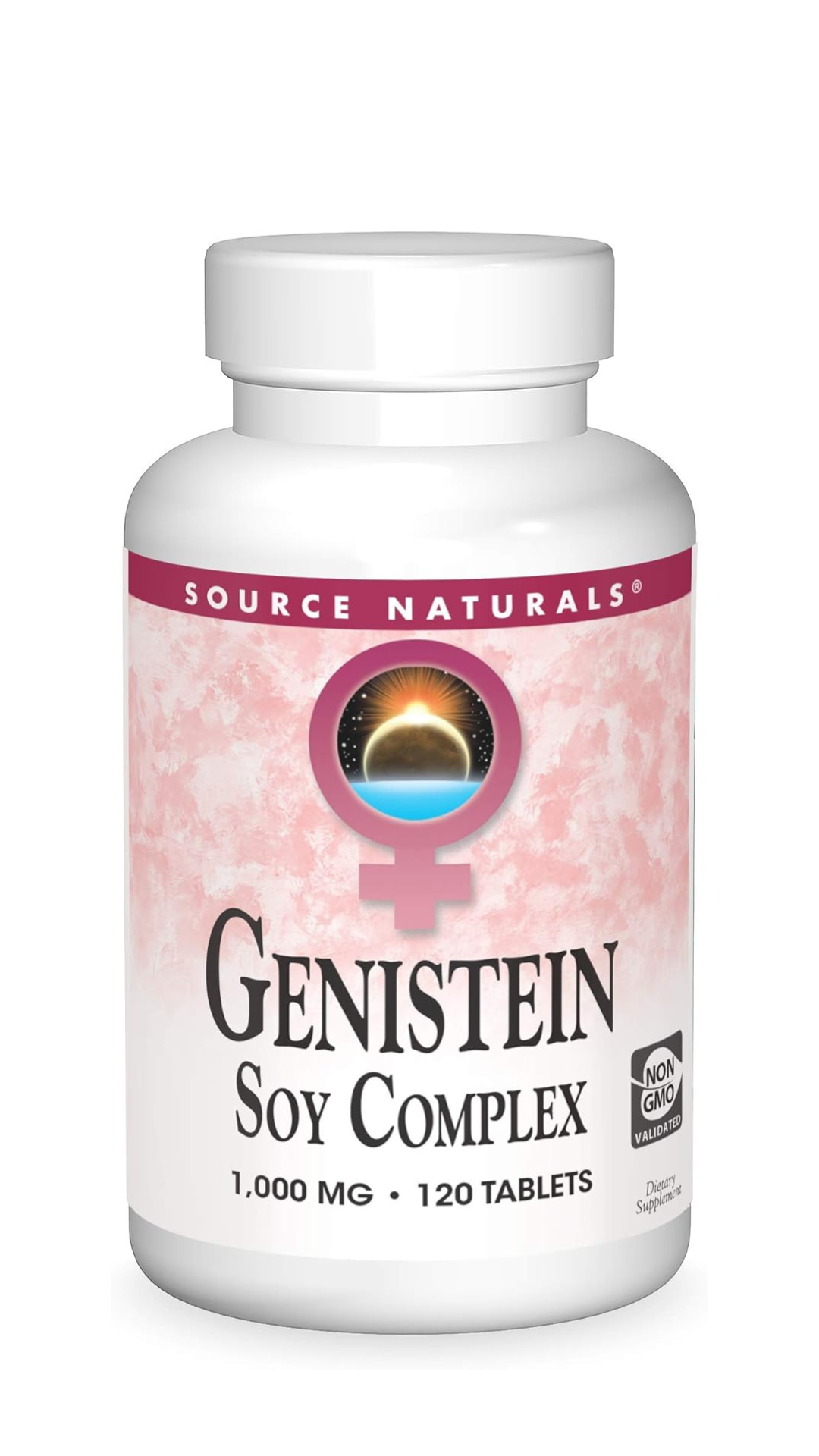 |
Source Naturals
|
4.0
|